
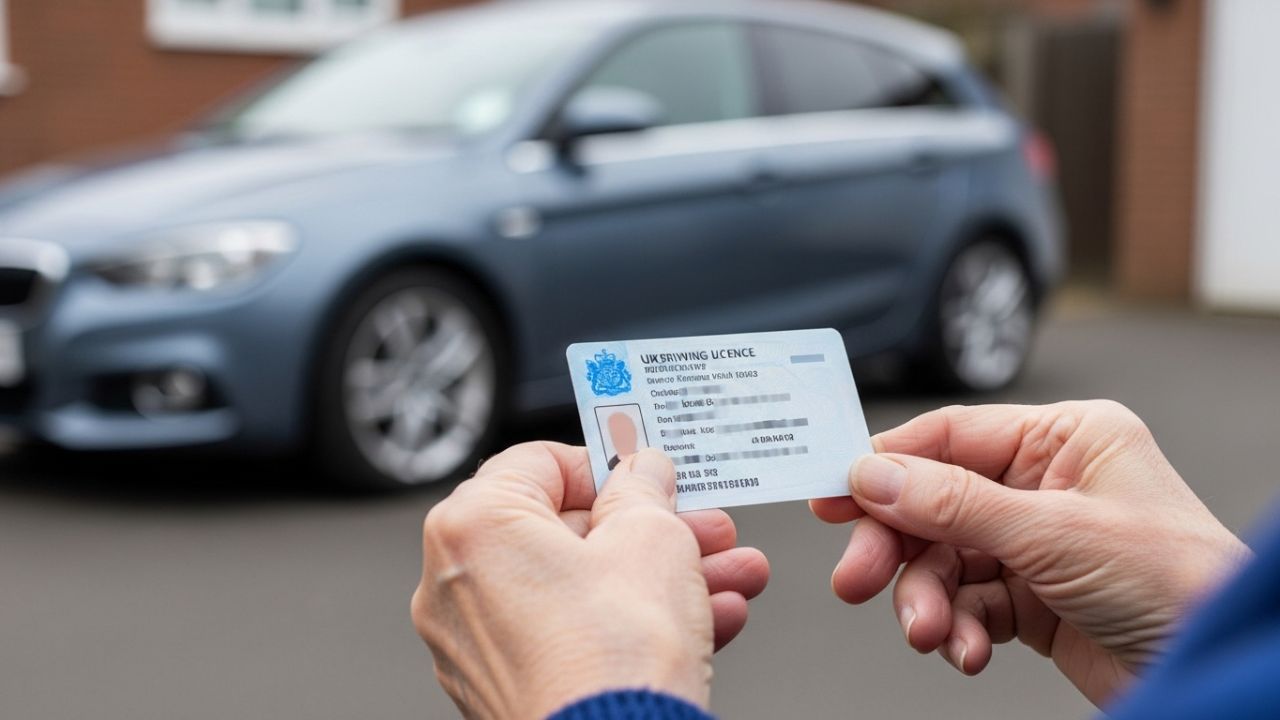
Older motorists across Great Britain often describe driving as more than transport. It is a routine, a lifeline, and a practical way to stay independent—especially where buses are limited, and everyday trips still matter.
In recent months, headlines have suggested that “new licence rules” will make life easier for older drivers. The reality is more nuanced: some improvements are already available (particularly online renewals), while other changes are still at the consultation stage and are not yet law.
Table of Contents
The Current Rule: There Is No “Upper Age Limit” to Drive in the UK
In the UK, driving is not stopped solely by age. The key legal requirement is fitness to drive. For most motorists, the major “age-based” trigger is 70, because standard car and motorcycle licences must be renewed then and every 3 years thereafter.
For many people, the renewal itself is straightforward. Problems usually arise when forms are delayed, medical questions are confusing, or drivers are unsure what they must declare.
Licence Renewal at 70+: What Drivers in Great Britain Need to Know
In Great Britain (England, Scotland and Wales), renewing at 70+ is typically free and can be done online or by post. The renewal process focuses on confirming that the driver continues to meet eyesight standards and that relevant medical conditions are correctly declared.
A renewal is not the same as a driving test. For most drivers, there is no routine medical exam required just because of age. However, DVLA may request medical information if a declared condition needs review.
A practical point that often reassures families: the system is designed around self-declaration and evidence where needed, not automatic removal.
Northern Ireland Is Different: Separate Process and Forms
Drivers in Northern Ireland renew their licenses through the DVA (not the DVLA), and some steps—especially for certain vehicle categories—often require additional paperwork and medical reports.
If a reader is in Northern Ireland, it is best to follow the NI-specific renewal route rather than relying on Great Britain guidance.
Medical Declarations: The Part That Causes Most Confusion
The DVLA expects drivers to tell them about medical conditions that may affect safe driving. This is where many older motorists become anxious, because they fear that honesty automatically means losing a licence.
In practice, declaring a condition does not always mean a ban. Outcomes can include:
- DVLA is taking no action if the condition is controlled and meets the driving standard
- a request for information from a GP/specialist
- a short-term medical licence, renewed after review
- restrictions, or (in some cases) a decision that driving must stop for safety reasons
What matters is accuracy and timing. Failing to declare something significant can create bigger problems later—especially after an incident.
A Real “Live” Topic in 2026: Eyesight Testing for Older Drivers (Consultation Stage)
A major reason older-driver rules are in the news is the UK Government consultation launched in early 2026 on introducing mandatory eyesight testing for older drivers in Great Britain.
It is important to separate proposals from law:
- At present, drivers must still meet the minimum eyesight standard.
- The proposal being consulted on is whether an additional compulsory eyesight test should be introduced for older drivers, likely aligned with renewal intervals.
- Until government confirms a final decision and implementation date, this remains a consultation topic—not a rule already in force.
For readers, the practical takeaway is simple: eyesight checks are already a sensible preparation step before renewal, and they may become more formal in future if policy changes proceed.
Key Differences by Location and Licence Type
| Topic | Great Britain (DVLA) | Northern Ireland (DVA) |
|---|---|---|
| Renewal age rule | Renew at 70, then every 3 years | Similar age-based renewal requirement, but the process differs |
| Online renewal | Commonly available for standard licences | NI process differs; follow the NI-specific route |
| Medical evidence | Usually, only if the DVLA needs confirmation | More frequent use of medical forms for specific entitlements |
Vehicle Entitlements That Often Catch People Out: C1 and D1
Many drivers are surprised to learn that turning 70 can affect certain entitlements on the licence, particularly:
- C1 (medium-sized vehicles within specific weight limits)
- D1 (certain minibus categories)
Keeping these categories often requires additional steps, including completing medical forms and undergoing professional assessments. Drivers who only use a standard car (Category B) usually do not need these extras.
Practical Renewal Checklist for Older Drivers and Families
- Check the licence expiry date well before it is due for renewal and allow time for any follow-up.
- Book an eye test if it’s been a while, and keep the results handy.
- List medications and recent diagnoses before answering medical questions.
- If technology is uncomfortable, complete the process with a trusted family member rather than guessing.
- If a condition is declared, respond promptly to any DVLA request for additional information to avoid delays.
What This Means for Older Motorists in 2026
The most accurate summary is that the system is still built on ability, not age, with a structured renewal point at 70+ and a clear expectation to declare relevant health conditions. The “new rules” many people are hearing about are often better described as service improvements and active policy discussions, especially around eyesight testing.
For older drivers, the best strategy is to treat renewal as routine administration: prepare basic information, check eyesight early, and declare health changes honestly. For families, it helps to frame the topic in terms of safety and support rather than ultimatums.